Tag: https://m88link.id

Malta Casino Without Swedish License What Players Should...
The European online gaming market features a complex regulatory landscape where different jurisdictions establish their own rules for player protection and licensing. Many international platforms operate under the authority of the Malta Gaming Authority (MGA), one of the most recognized regulatory bodies in global iGaming. Understanding how a Maltese-licensed casino operates outside local frameworks like Sweden's Spelinspektionen gives players valuable insight into legal standards and consumer protections.
The Basics of Malta Gaming Authority Regulation
The Malta Gaming Authority enforces stringent rules regarding player safety, operational transparency, and financial solvency for its licensees. Operators holding an MGA license must undergo strict audits to verify game fairness and ensure that player funds remain strictly segregated from company operating capital. This regulatory structure provides a dependable foundation for international users seeking a secure gaming environment.
While MGA platforms adhere to high European standards, they are separate from individual national licensing systems like the Swedish jurisdiction. Consequently, tools specifically designed for national self-exclusion systems do not automatically apply across offshore platforms. Players researching global options often consult dedicated information sources, including finding updates like link m88 terbaru hari ini to understand different access methods and brand requirements.
Key Differences in Player Protections
National licenses, such as the Swedish license, enforce localized restriction mechanisms tailored to domestic health policy and consumer safety laws. These include centralized self-exclusion databases, strict deposit limits, and specific rules regarding bonus offers and marketing frequencies. Offshore MGA platforms offer alternative protection tools, but these are managed directly by each operator rather than through a single government database.
Players choosing an MGA platform should proactively manage their accounts by setting voluntary deposit limits and session reminders. Responsible gambling measures are still mandatory under Maltese regulation, but they rely more heavily on personal accountability. Comparing these distinct approaches helps players evaluate which regulatory style best matches their personal gaming preferences.
Tax Implications and Financial Rules
Financial considerations play a major role when choosing between domestic and internationally licensed gaming sites. Within the European Union, winnings generated from platforms licensed in an EU/EEA member state, such as Malta, are often subject to specific tax arrangements depending on national tax laws. Players should carefully research local tax obligations regarding offshore gambling revenue to remain fully compliant.
In addition, payment processing options can vary significantly between local operators and international platforms. MGA casinos typically support a wide array of global payment gateways, e-wallets, and traditional banking channels. Reviewing transaction fees and withdrawal processing speeds ensures a smoother banking experience on international platforms.
Making Informed Decisions as a Player
Choosing where to play requires balancing personal preferences for flexibility against the localized safety features offered by domestic regulations. Examining a platform's terms of service, verifying license numbers directly with the regulatory body, and inspecting customer support quality are essential steps before registering. Thorough research ensures that players select a safe, transparent, and enjoyable gaming destination tailored to their needs.
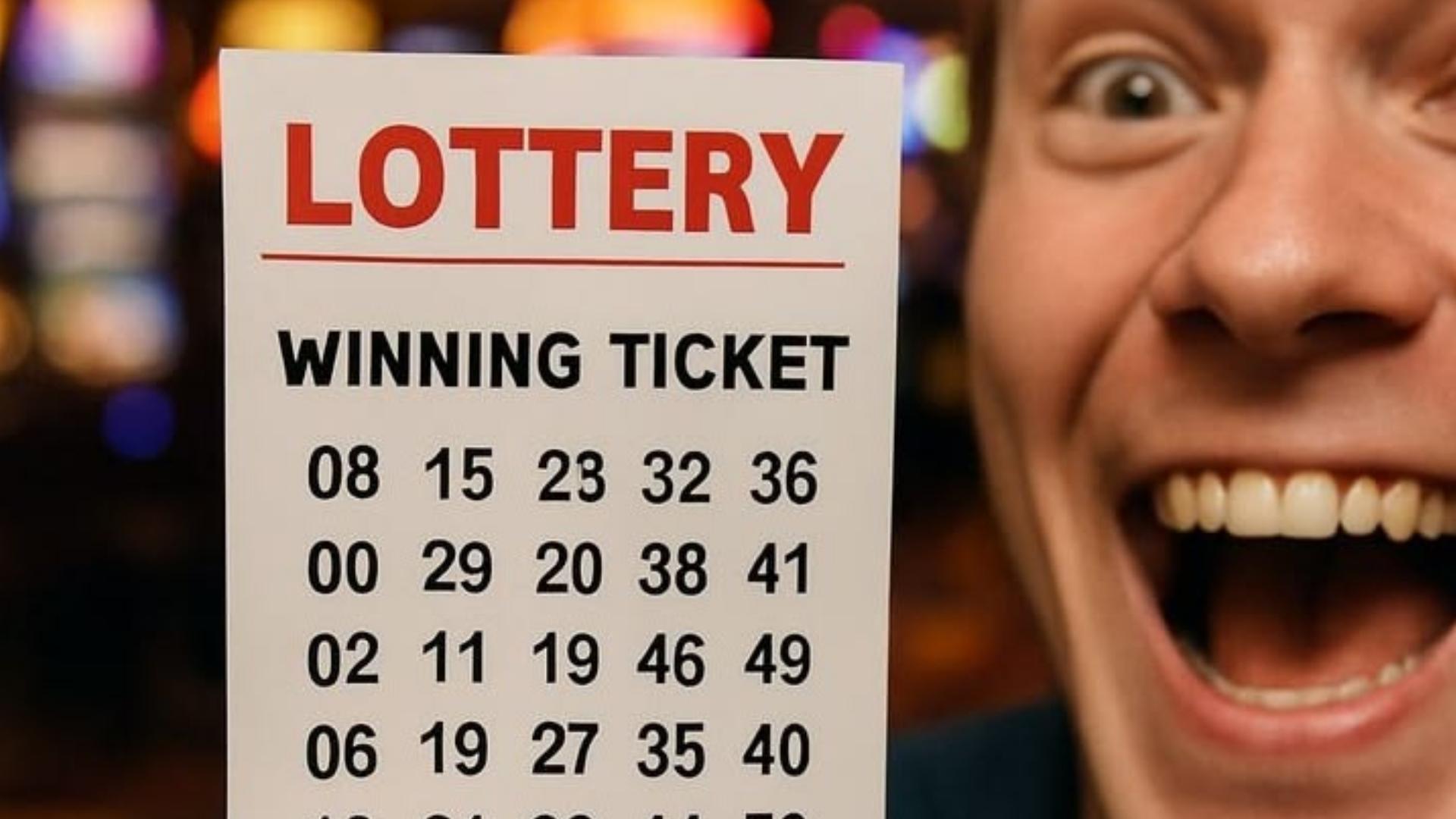
Building Interesting Challenges Around Random Selection
Random selection is a powerful concept used by game designers, educators, and event organizers to create engaging activities. By introducing unpredictable elements, routine tasks can transform into exciting dynamic challenges. Designing these activities thoughtfully ensures that participants remain eager to adapt to whatever outcome occurs.
Designing Balanced Constraints
The foundation of any good randomized challenge lies in establishing clear boundaries. If the rules are too loose, the randomness feels chaotic rather than fun or competitive. Striking the right balance allows participants to test their strategic thinking under surprising conditions.
Well-crafted constraints force individuals to improvise and discover creative solutions on the spot. This dynamic keeps group members actively involved as they adapt their strategies to unexpected rules. The uncertainty of each turn creates a continuous loop of excitement and problem-solving.
Incorporating Multi-Tiered Outcomes
Adding layers to random choices makes challenges significantly more intriguing for every participant. Instead of simple win-or-lose scenarios, activities can incorporate secondary conditions or bonus objectives. This structure keeps participants invested even when initial draws do not seem entirely favorable.
Layered mechanics encourage participants to evaluate risk versus reward in real time. Players who want to explore unique online gaming experiences often seek out platforms like link m88 terbaru hari ini to test their strategic approaches under varying conditions. Designing multi-tiered outcomes ensures that every result offers a meaningful tactical decision.
Promoting Active Collaboration
Randomized challenges excel when used to build teamwork and shared experiences in group settings. When a team receives an unpredictable assignment, members must immediately share ideas and organize their talents. This collaborative pressure fosters strong communication skills and builds mutual trust.
Group members often discover new strengths while managing unpredictable tasks together. Because the challenge source is impartial, success relies entirely on how well the group works together. This shared effort creates memorable experiences and leaves everyone feeling satisfied with the outcome.
Sustaining Long-Term Engagement
To keep randomized activities fresh, designers must regularly update the pool of potential choices. Introducing seasonal themes, new variables, or evolving rules prevents activities from feeling predictable or stale over time. Regular variations ensure that participants look forward to every new session.
Tracking progress across multiple rounds adds depth to the overall experience. Participants enjoy measuring how their adaptability improves as they face a broader spectrum of unexpected scenarios. Ultimately, well-designed random challenges combine fairness with excitement to create lasting entertainment value.