How Board Games Improve Critical Thinking
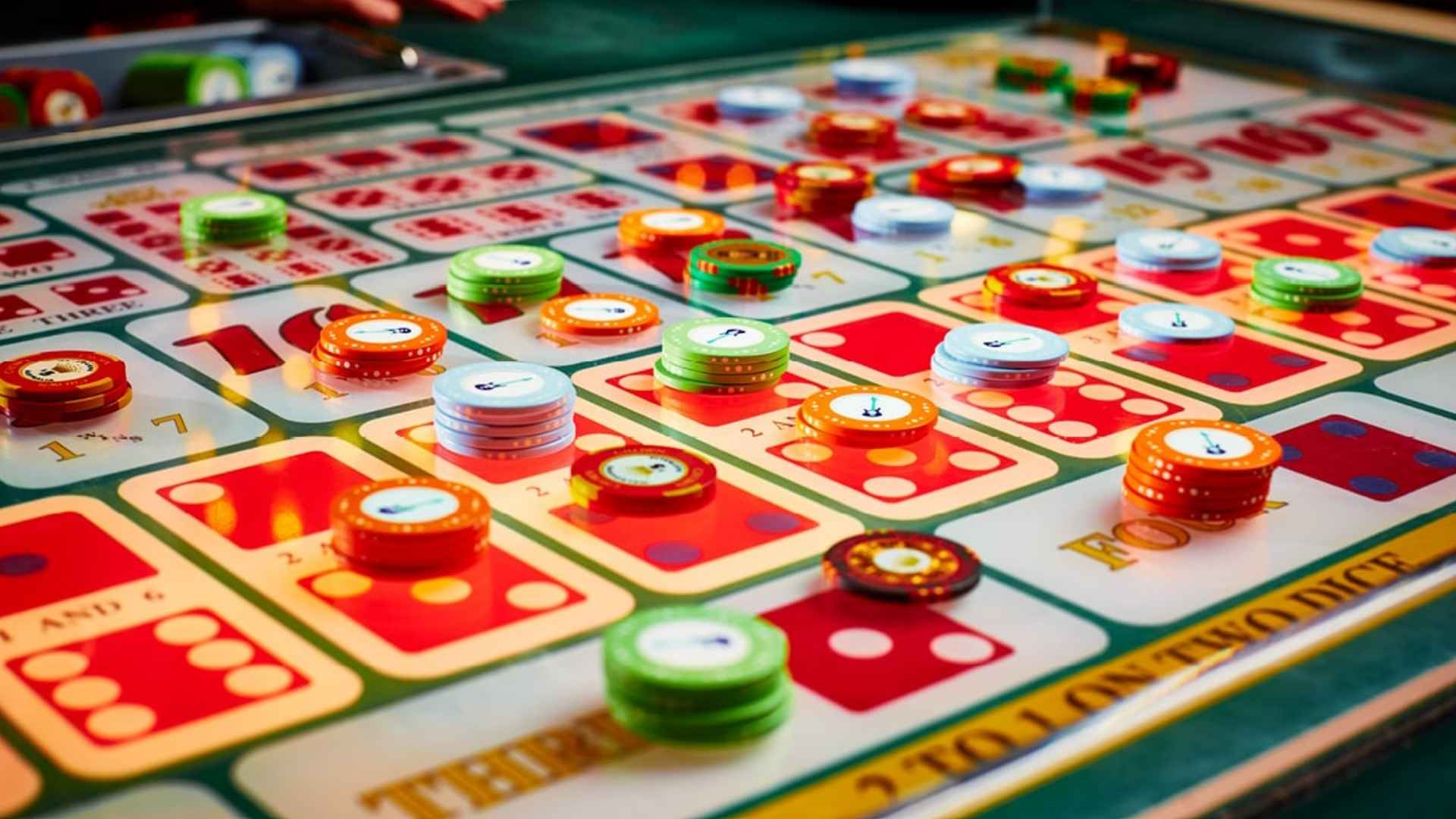
In an era dominated by rapid digital distractions, analog tabletop entertainment is experiencing a massive global resurgence. Beyond offering a simple escape from glowing screens, these physical games serve as structured mental gyms that challenge our cognitive boundaries. Gathering around a table to navigate complex rules provides a unique framework for boosting essential life skills and analytical mindset development.
The Cognitive Mechanics of Strategic Planning
Every board game operates on a set of defined boundaries that require players to project their actions several turns into the future. This ongoing need to anticipate an opponent's behavior while managing limited resources forces the brain to build flexible mental maps. Over time, practicing this routine actively exercises the prefrontal cortex, which governs decision-making and logic.
Furthermore, players must routinely weigh risk versus reward before making a definitive move on the board. This calculated deliberation trains individuals to look beyond immediate gratification and focus on long-term consequences. Consequently, these habits naturally translate into better real-world problem-solving capabilities for both adults and children.
Enhancing Deductive Reasoning and Adaptability
Many modern tabletop designs rely heavily on hidden information, deductive reasoning, and tactical positioning. Players are forced to analyze subtle clues, track statistical probabilities, and deduce the secret motives of their peers. This continuous assessment sharpens your capacity to separate reliable data from mere distractions under pressure.
Just like navigating complex online platforms, such as completing a secure M88 login process, tabletop gaming demands sharp attention to detail and strict verification. When unexpected events alter the active state of play, the ability to pivot your strategy on the fly becomes the defining factor for success. This dynamic teaches the mind to embrace setbacks as learning opportunities rather than permanent failures.
Building Emotional Intelligence and Shared Perspective
Critical thinking is not entirely isolated from social awareness; it relies heavily on reading human dynamics. Collaborative and competitive games alike require participants to interpret body language, manage diplomatic negotiations, and understand diverse perspectives. This cooperative friction helps build deep empathy alongside sharp analytical intelligence during intense sessions.
Learning to process an unexpected loss or celebrate a hard-fought victory also enhances emotional regulation. By analyzing what went wrong in a low-stakes environment, players develop the resilience needed to tackle real-world crises. Ultimately, the cognitive workouts provided by physical pieces create well-rounded thinkers who excel in both social and academic environments.