Essential Poker Terminology Every Card Player Should Know
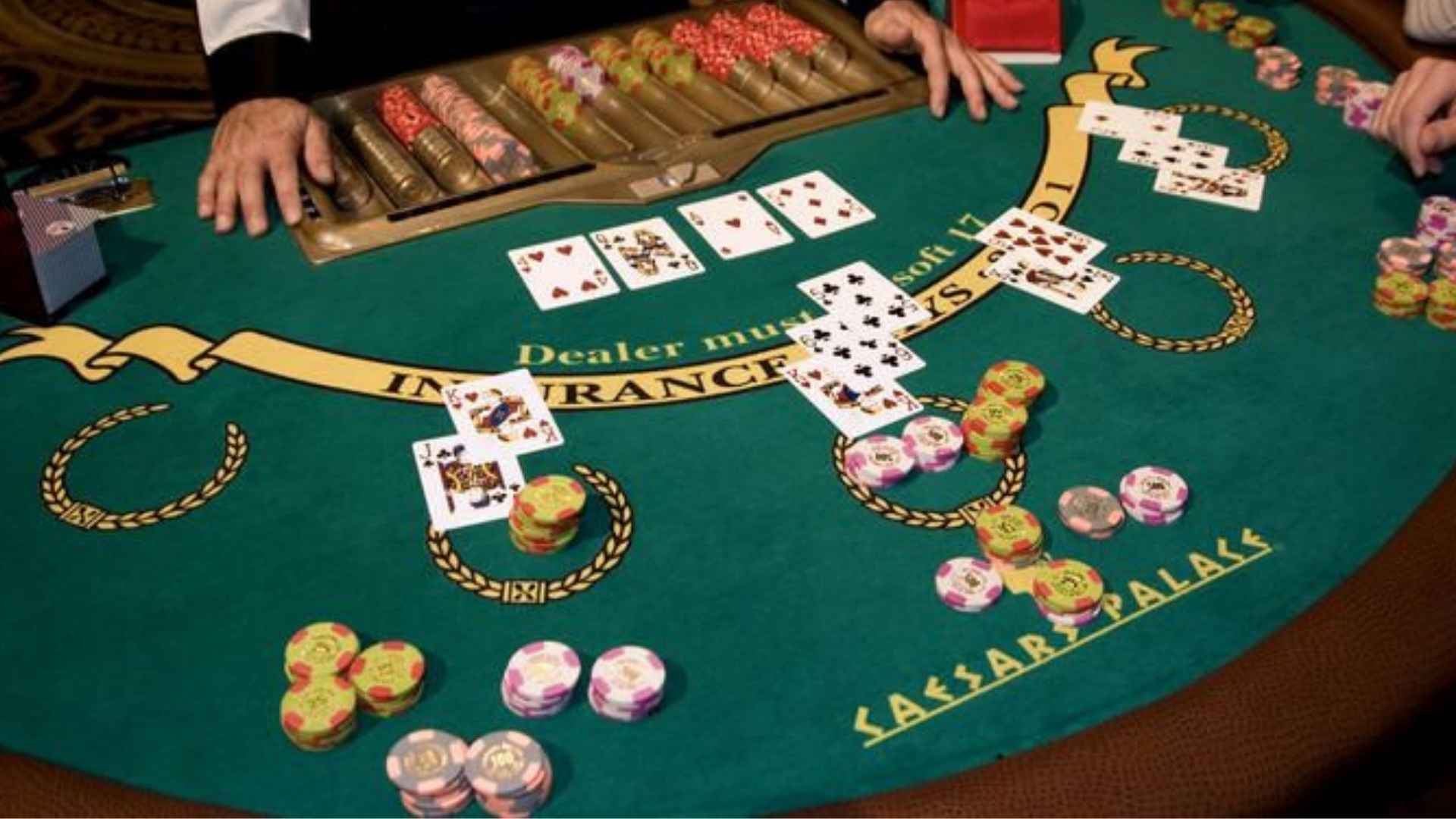
Entering a competitive card environment can feel like visiting a foreign country where everyone speaks a completely different language. Developing a strong grasp of foundational vocabulary is just as critical as knowing the mathematical strength of the cards in your hand. This essential guide breaks down the core phrases every newcomer needs to navigate their first live or online sessions smoothly.
The Core Mechanics of Table Action
Every round flows through a sequence of critical decisions that determine how chips are wagered and how the action progresses. When you choose to call, you are matching the highest active wager currently placed on the table to stay in the running. On the other hand, choosing to raise means you are increasing the stakes, which pressures remaining participants to either invest more or exit.
There are also strategic moments where you can pass the decision along without committing any of your stack to the center. This specific action is known as a check, and it remains available only if no prior bets have been made in that round. If the pressure becomes too intense or your cards hold no realistic value, you can fold to surrender your hand and protect your remaining capital.
Navigating Forced Wagers and the Pool
Before strategic decisions even take place, the game utilizes structural rules to ensure that every hand has something valuable worth playing for. The collective pile of chips accumulated in the center of the table over the course of a round is called the pot. To seed this pool, specific seating positions are required to contribute mandatory wagers known as blinds before receiving their cards.
Understanding how these positions shift clockwise around the table helps you anticipate exactly when you will need to post these forced contributions. Many digital resources offer excellent platforms to practice these structural basics, and finding a proper M88 link can grant you access to helpful environments where you can watch these rules in real time. Mastering these structural dynamics ensures you remain composed and focused when the dealer begins distributing the deck.
Deception and Technical Variance
As players gain experience, they encounter advanced terms that describe the psychological elements and strategic maneuvers used at the table. A bluff represents a calculated tactic where a participant wagers aggressively with a weak hand, aiming to force opponents with superior cards to withdraw. This maneuver requires a deep understanding of table dynamics, timing, and opponent behavior to execute successfully.
Even with excellent strategy, the unpredictable nature of the deck can lead to sudden and dramatic shifts in momentum during a session. A bad beat describes a highly unfortunate scenario where a statistically dominant hand loses to an opponent who catches a lucky card at the very end. Learning to accept these mathematical realities is crucial for maintaining emotional control and executing consistent long-term strategy.